Latest News
Land and Property Professionals
We sell, rent, manage, survey, plan and advise...what can we do for you?
01234 352201 (Professional services and general enquiries)
Buckingham: 01280 428010
We sell, rent, manage, survey, plan and advise...what can we do for you?

Now is a perfect time to remind ourselves of the simple steps we can take to protect properties and avoid unnecessary expense.
Roof repairs
Undertaking small roof maintenance jobs in a timely manner (such as refixing loose tiles which might, if unattended, be dislodged by heavy winds) can prevent leaks and damp that can cause further damage and deterioration to the roof structure and help prepare your home for winter.
Check for missing or loose tiles and slates, any cracks or holes, and damaged or missing flashings. On flat roofs, look for splits and pooling water, checking for evidence of staining or damage to the ceilings below.
Gutters and downpipes
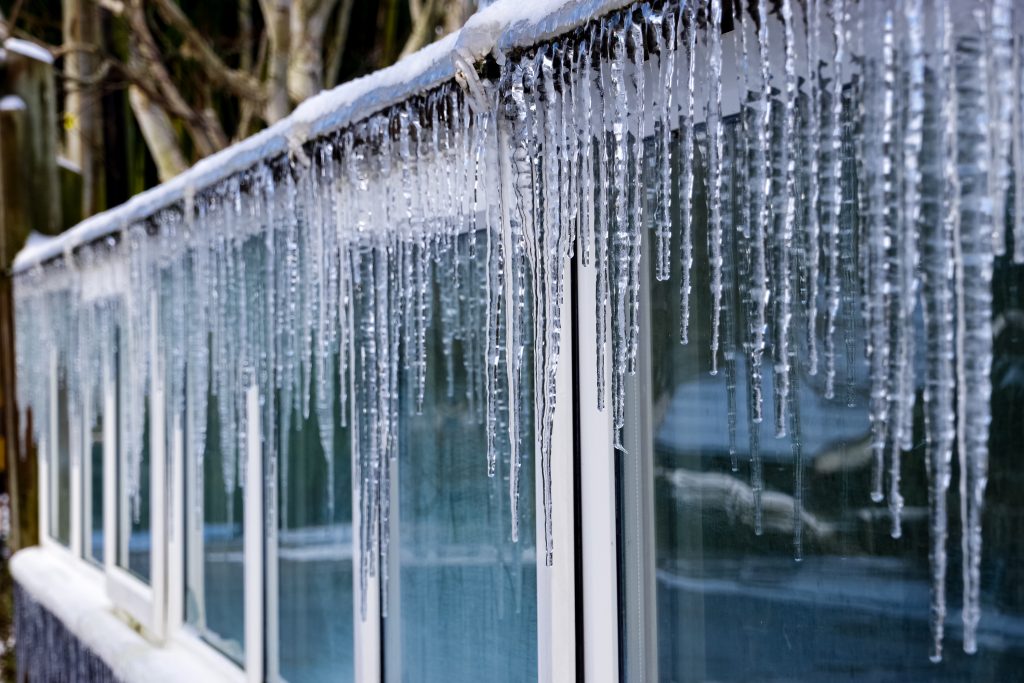
This is an essential task when preparing your home for the wet winter weather. Defective guttering can soak the structure below, and heat is lost much quicker through a damp wall than a dry wall. Moisture in walls can also freeze in the pores of the wall, expanding and causing damage to the face of the wall leading to further problems. So take a walk around your home on a rainy day and check that water is discharging properly from gutters and downpipes and not running down the walls.
Clear out the gutters and drains from time to time to remove the leaf debris which can clog gutters at this time of year.
Other building repairs
While some ventilation is essential in homes, such as trickle vents in windows, undertaking draught proofing measures to address problems can be a relatively simple and a cost-effective way of improving your home’s thermal performance. Weather sealing strips are readily available to buy online or in DIY stores and are a simple fix.
Check the property for cracks and gaps where moisture may enter including the pointing between brickwork, defective windows and doors.
Services, maintenance and safety
Get your chimney professionally swept
If you have a working fire or log burning stove, this task is ideally best undertaken before you start using it this winter.
Sweeping will not only improve the efficiency of your chimney or flue but help to prevent chimney fires, ensuring any potential blockages and soot build-up are removed.
It’s best to call in a professional — find one via HETAS or the National Association of Chimney Sweeps. The job should take less than an hour.
Importantly, your chimney sweep should provide you with a certificate on completion, which is key to household insurers should you ever be in the unfortunate position of claiming for a chimney fire.
Heating systems

It’s a job we often put off, but booking an annual boiler service could be money well spent, particularly in this day and age of rising energy bills. When in your home for the service, heating engineers can advise on and make efficiency measures, ensuring your home is heated as economically as possible.
Getting your chimney swept and bleeding radiators to remove air so that they operate efficiently are both steps which will allow you to get the most from your heating system.
Lagging pipes to prevent heat loss and bursts
‘Lagging’ or insulating pipes will help to reduce heat loss from your heating and hot water system and, more importantly, helps to prevent water freezing within pipes which could cause them to burst. Often plumbing is located in cold areas of the home, such as in uninsulated loft spaces and garages, which can exacerbate this issue in winter.
Insulate outdoor taps
Before the winter weather sets in, it’s also a good idea to turn your attention to outdoor taps. As temperatures drop, water within outdoor taps and hosepipes can freeze and potentially burst. The good news is there are some quick, inexpensive steps to help prevent this.
The first is to empty and disconnect any hosepipes connected to outdoor taps. The second is to cover your tap — purpose-made insulated tap covers cost very little and are easy to install.
Run the heating at a low temperature during void periods
If you’re going to be away from your property then consider running the heating at a low temperature to prevent freezing.
General housekeeping
Make sure you are aware of the location of the stopcock and understand what to do in case of an emergency.
Check oil or Liquefied Petroleum Gas (LPG) levels
If you have an off-mains heating system, ensuring you have sufficient fuel, be it oil or LPG, is a key step in preparing your home for winter. No one wants to be without heating and potentially hot water when the weather is at its coldest! What’s more, suppliers are often busiest in the winter months and so delivery times could be longer than normal.
Keep firewood protected from the elements
If you do have a wood burner or open fire, protecting seasoned firewood from the elements is a key outdoor job in winter. So, now is the time to invest in a dedicated log store, or to build your own.
Paving
In anticipation of freezing weather, make sure you have access to salt, sand or ash for application to paving where this might become slippery.
And lastly….
Make sure outdoor lights are working
Outdoor wall lights are important both for safety (illuminating paths, drives and the front door on dark winter nights) and security. So, ensuring they are working and clean and free of debris is a quick but useful task before winter.
If you don’t feel confident inspecting your own buildings, talk to us. We regularly carry out inspections and advise property owners for ongoing maintenance not only for the forthcoming year but over the next 5 – 10 years so owners can properly budget and plan.
For more information, please contact me.
Back to articlesFor further information please contact: