Latest News
Land and Property Professionals
We sell, rent, manage, survey, plan and advise...what can we do for you?
01234 352201 (Professional services and general enquiries)
Buckingham: 01280 428010
We sell, rent, manage, survey, plan and advise...what can we do for you?
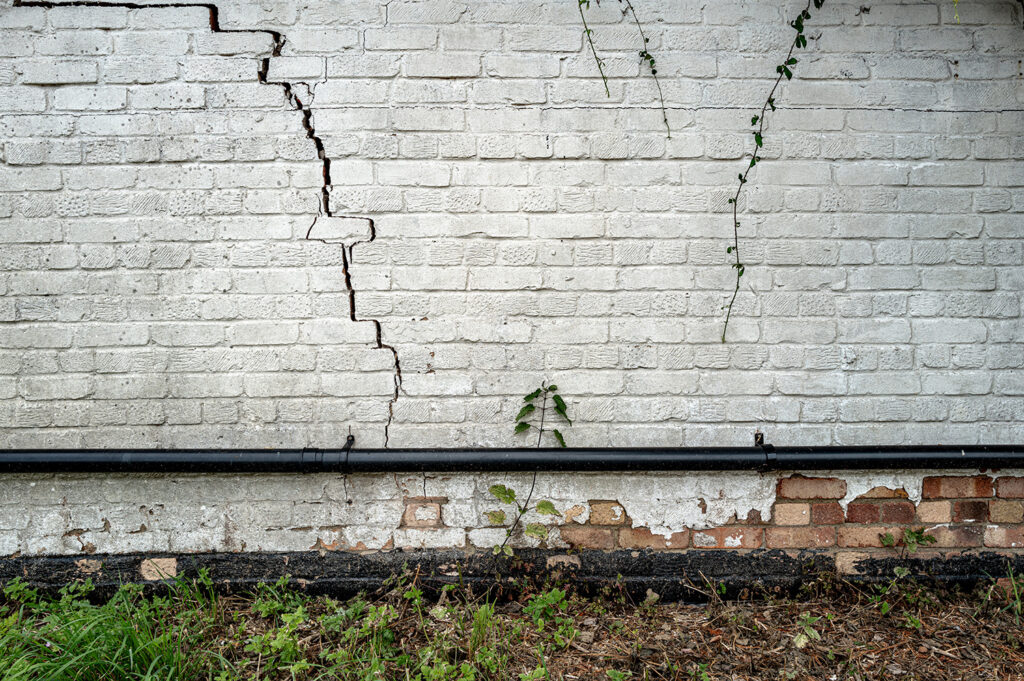
Many properties within our region are founded on clay soils, which can expand when wet and shrink during dry periods. As prolonged drought conditions become more common, buildings on shrinkable clay are increasingly vulnerable to movement and subsidence, particularly older buildings with shallower foundations.
Bedfordshire is particularly susceptible to drought-related building movement due to its combination of relatively low annual rainfall and widespread clay subsoils. During prolonged dry periods, clay soils lose moisture and can shrink significantly, causing foundations to move unevenly, resulting in structural cracking, distortion, and subsidence. The problem is often made worse by nearby trees and large shrubs extracting moisture from the ground. With recent droughts affecting East Anglia in 2022, 2025, and 2026, property owners should remain vigilant for signs of structural movement and seek professional advice at the earliest opportunity.
Common Warning Signs
If you suspect your property may be experiencing movement associated with drought conditions or shrinkable clay soils, it is important to notify your buildings insurer as soon as possible. Early notification allows insurers to investigate the issue, establish the cause of the damage, and consider any policy cover that may be available.

A professional building survey can help document the extent of cracking and movement, identify potential contributing factors, and provide independent advice to support the claims process.
We recommend that property owners:
Early action can help minimise further damage, reduce uncertainty, and ensure that appropriate investigations and remedial measures are put in place.
If you’ve noticed cracking or structural movement in a property built on clay soils, our surveyors can provide an independent assessment and guidance on the next steps, including support throughout the insurance claim process. Please contact our surveying team on 01234 352201.
Back to articlesFor further information please contact: